A CODATA & Research Data Alliance initiative
Foundational data skills, taught by researchers who once sat in the room.
The CODATA–RDA Schools of Research Data Science teach core data science skills to early-career researchers — with particular attention to those working in low- and middle-income countries. Since 2016, the schools have grown by training their own alumni to teach.
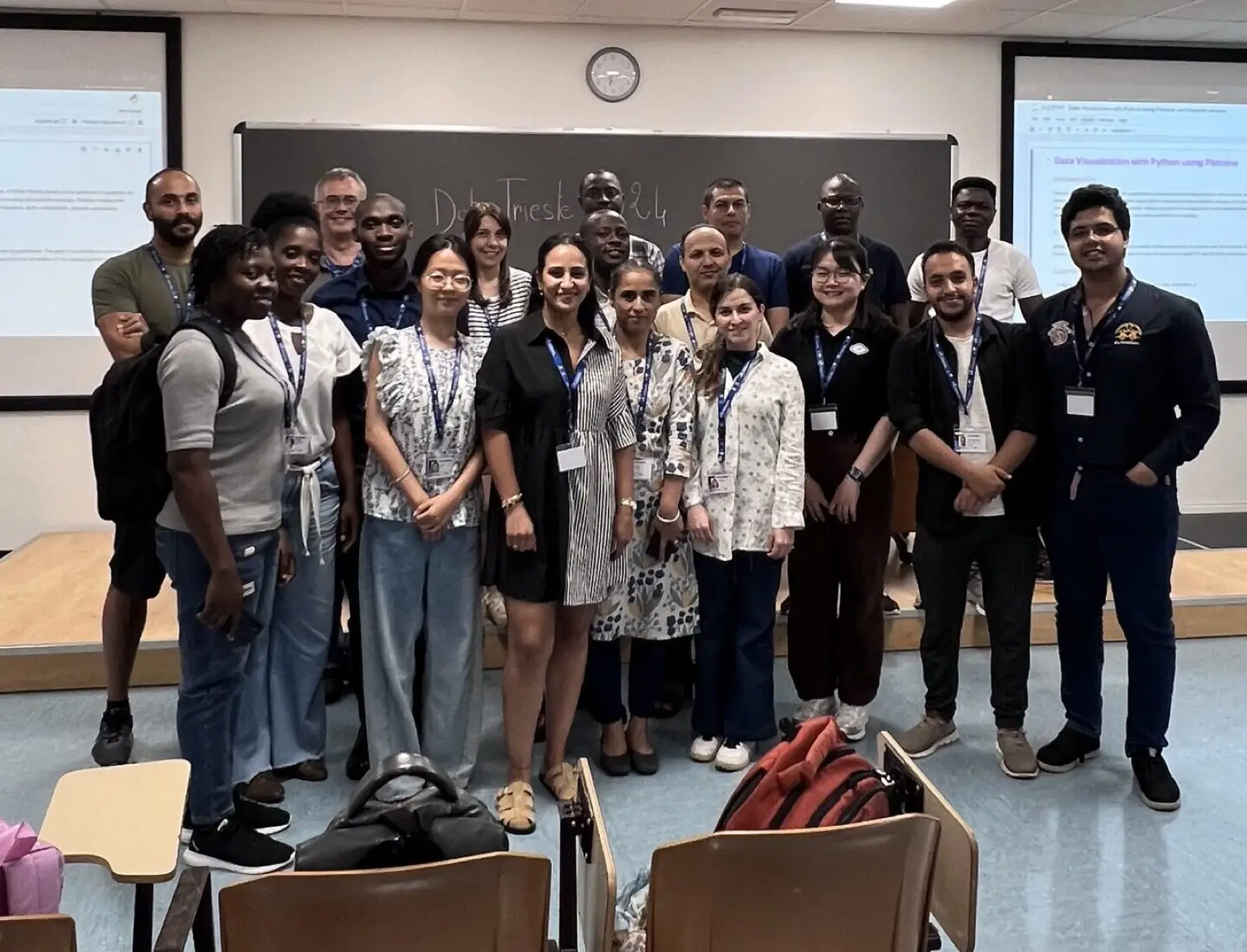
Trieste, 2024
“Data skills and competences are now essential for almost all researchers — yet there are major gaps in what is taught in most undergraduate and postgraduate courses.”
01 · About
Why the schools exist
The increased capacity to create and analyse data has transformed most areas of science. That shift brings real opportunity, but it also assumes skills that most degree programmes never taught: how to manage data responsibly across its lifecycle, work openly, and use the tools that modern research depends on.
The schools bring together a small network of Open Science and Open Data practitioners around one goal: teach foundational Research Data Science to early-career researchers, and grow the regional capacity to keep teaching it — by turning students into classroom helpers, and helpers into instructors.
Particular attention is paid to researchers in low- and middle-income countries, where the gap in formal data training is often widest and the opportunity cost of closing it is highest.
02 · Curriculum
What participants learn
A foundational course, not a specialism — built to give researchers from any discipline a working grasp of the full data lifecycle.
- Principles and practice of Open Science
- FAIR data and using data ethically
- Research data management & the data lifecycle
- Preparing a data management plan
- Persistent identifiers and licensing
- Compiling bibliographies
- Finding and publishing data
- Software and data carpentry
- Version control with Git
- Theory and practice of visualisation
- Introduction to machine learning
- Computational research infrastructure
03 · Community
Learner today, teacher tomorrow
Reproducing the school in new regions depends on one mechanism: inviting former students back. It is an open door, not an obligation — participants choose how far along this path they go.
Learner
Attends a school and works through the core curriculum alongside researchers from other countries and disciplines.
Helper
Returns to a later school as a classroom helper — deepening their own understanding while supporting new students.
Instructor
Takes on teaching, with pedagogical support built into the programme’s instructor development track.
Organiser
Helps bring a school to their own region, drawing on a growing network of host institutions and volunteer instructors.
04 · Schools
Three ways to take part
This year’s school — 9–20 November 2026, ICTP, Trieste. See the programme on Indico ↗
Researcher schools
Intensive in-person and virtual schools giving early-career researchers a broad, hands-on foundation across the curriculum.
Instructor development
Support for alumni and volunteers moving into teaching — building the pedagogical skills that keep the schools reproducible.
Data Steward training
Professional development combining pedagogy, FAIR principles and research data management support for working data professionals.
05 · In the room
What a school actually looks like
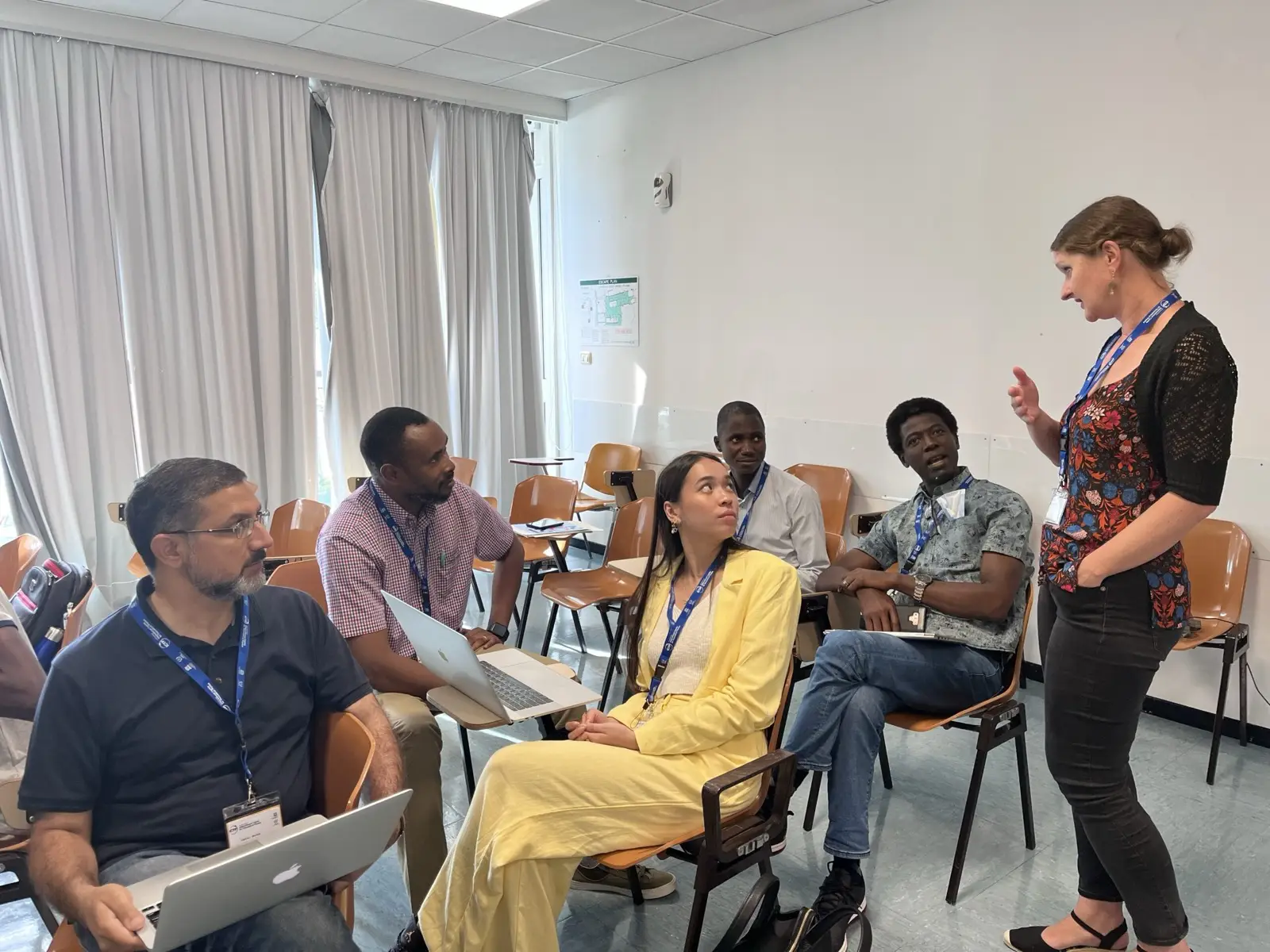
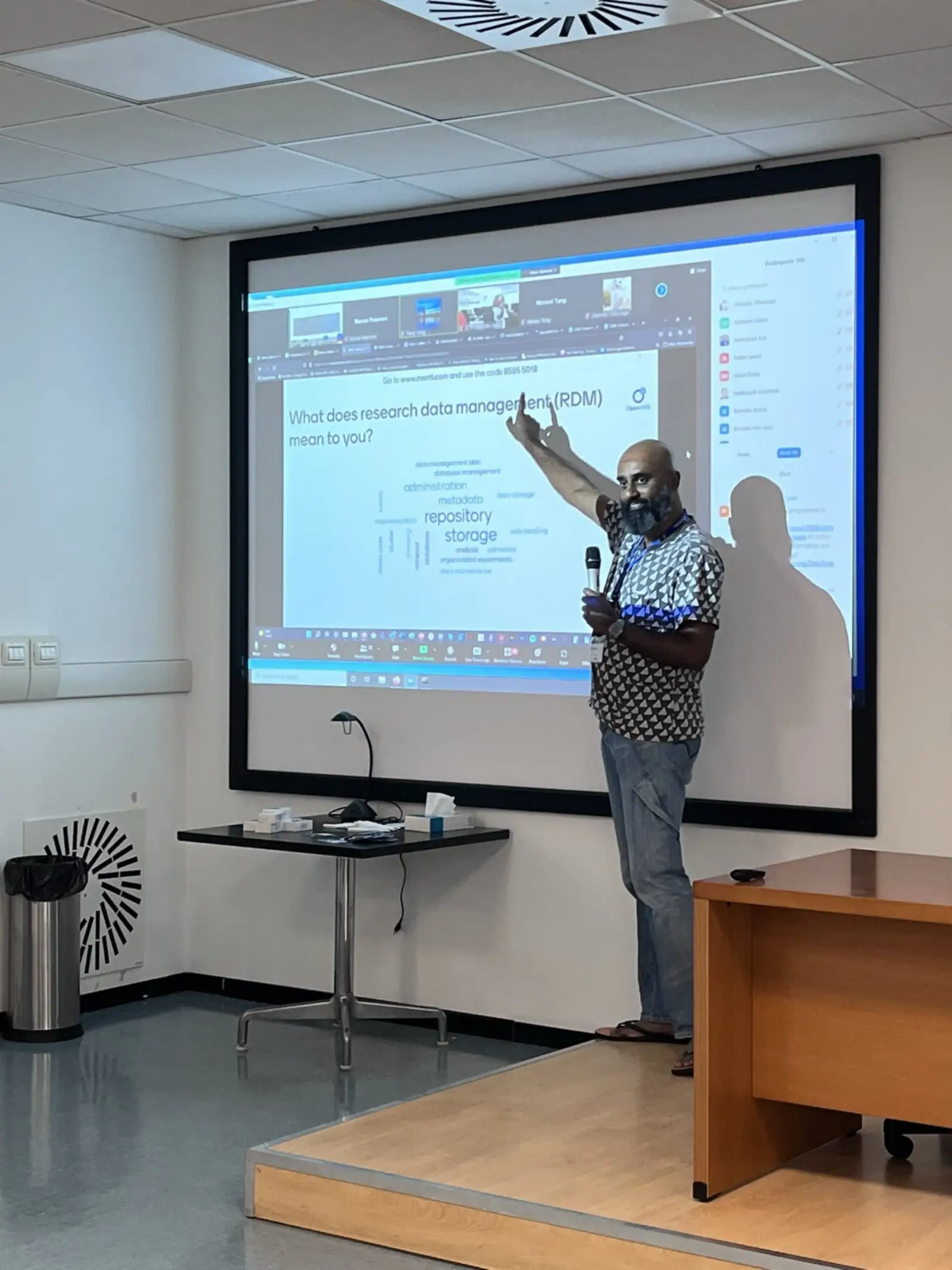
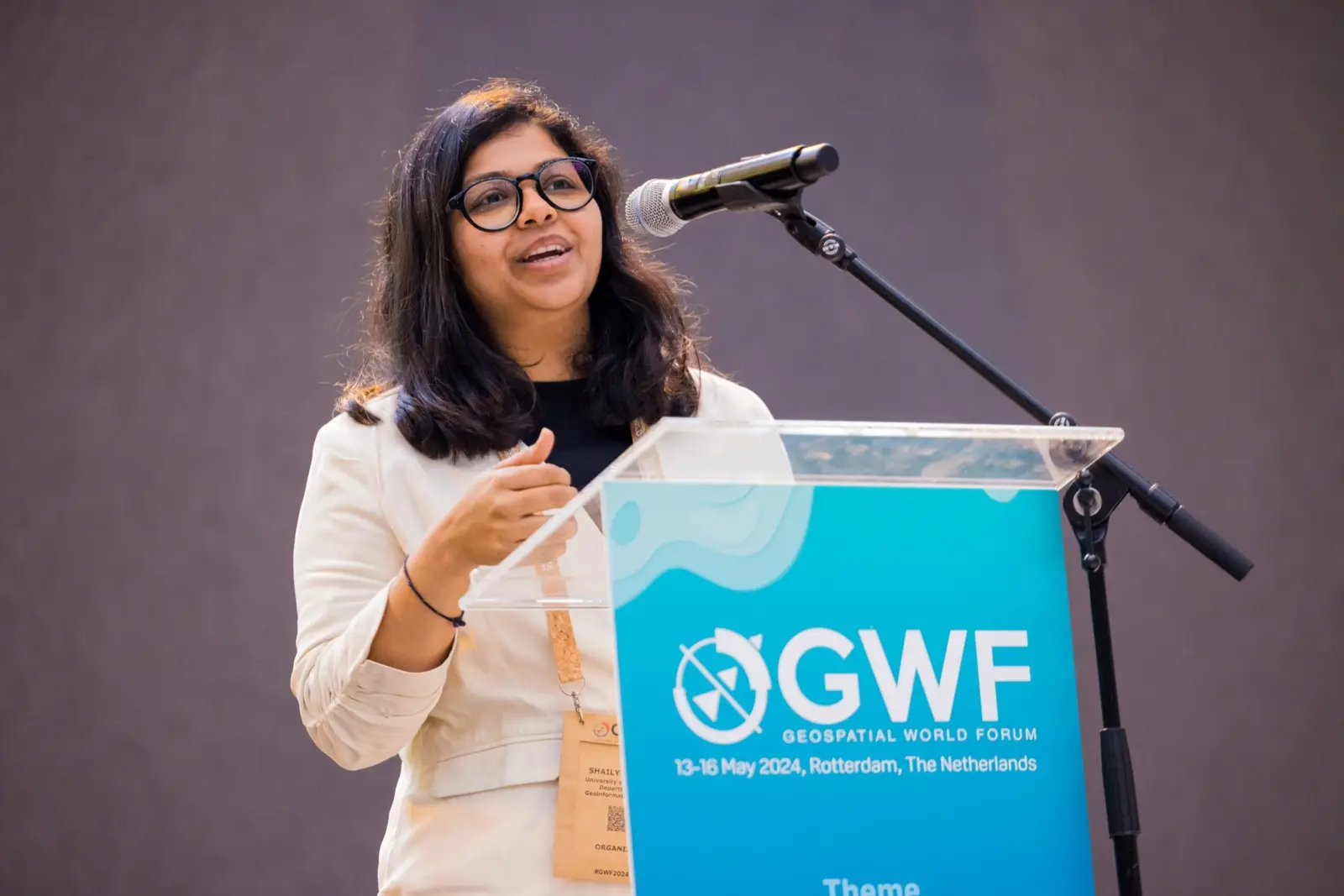
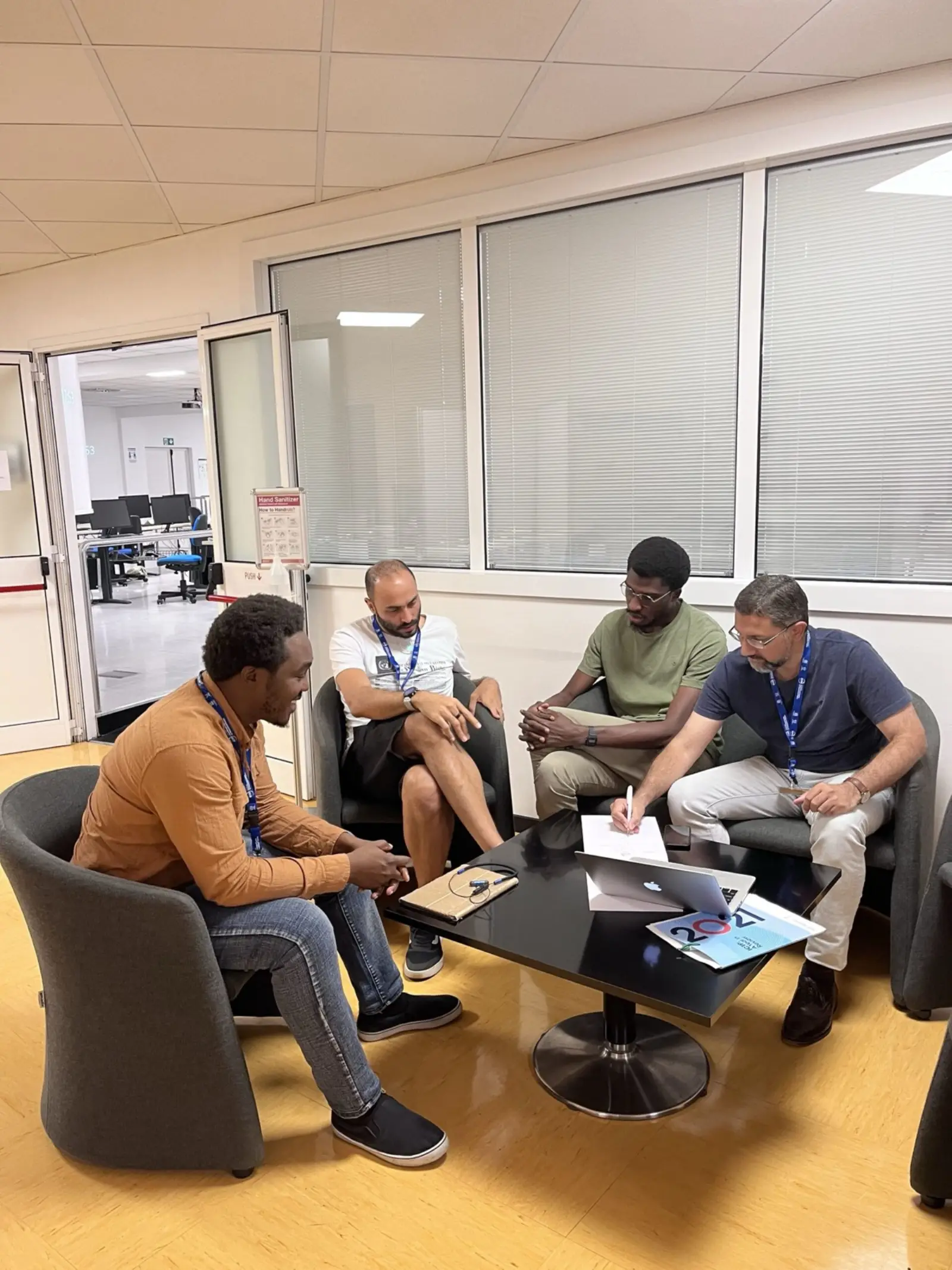
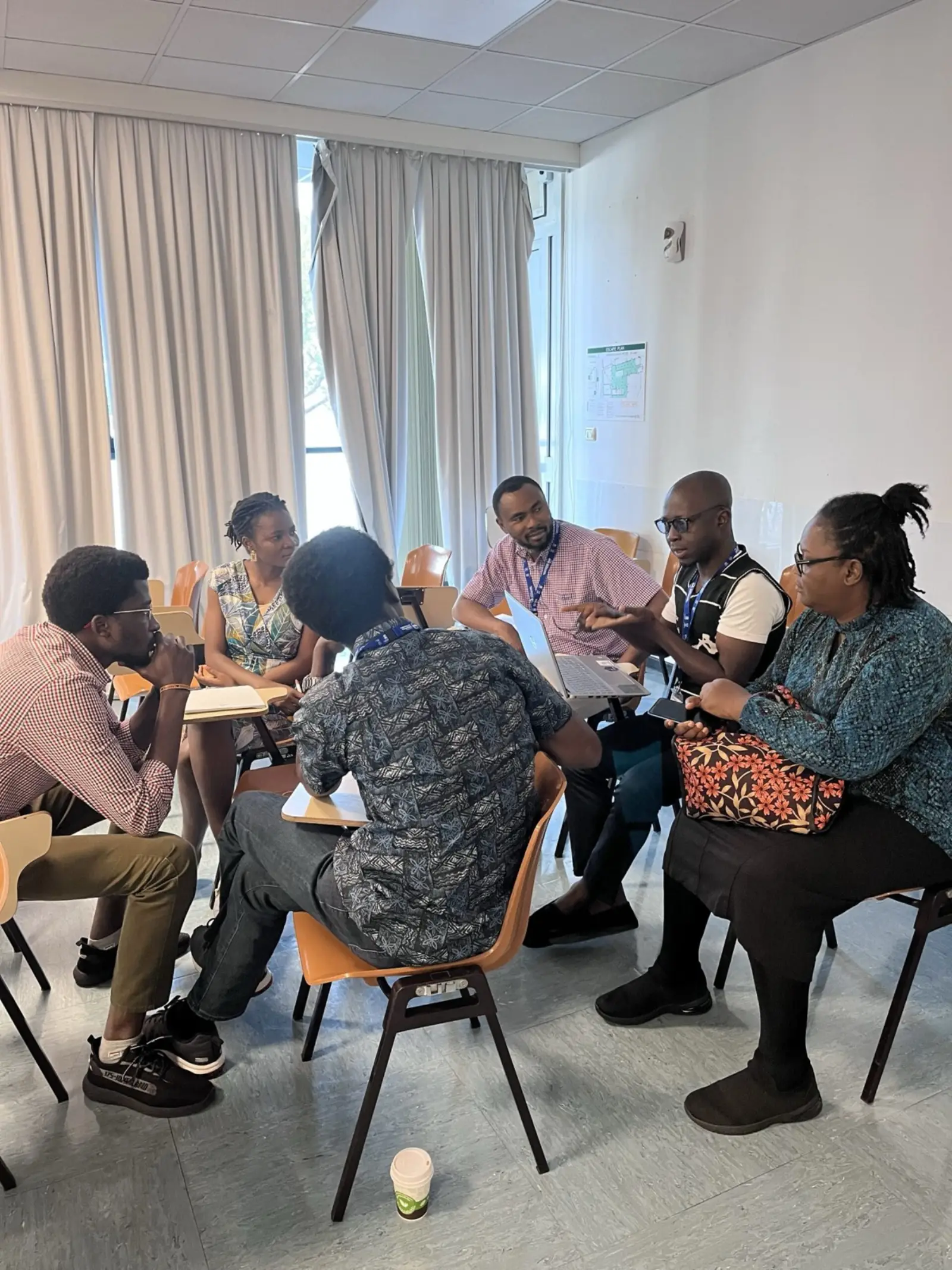
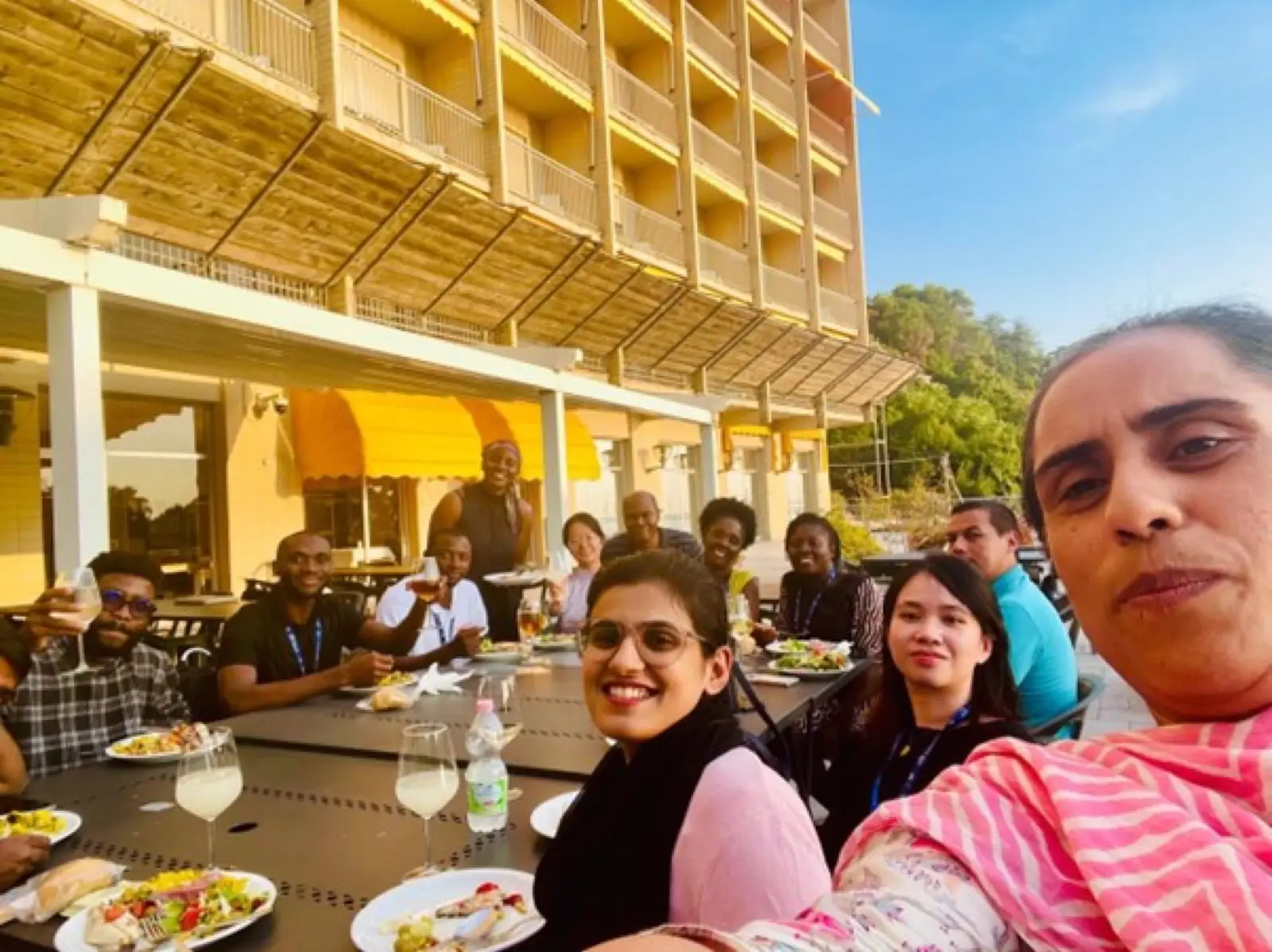
Group work, whiteboards and borrowed classrooms — photos from recent schools and programme events.
06 · History
Since 2016
The first school ran in August 2016 at the International Centre for Theoretical Physics (ICTP) in Trieste, Italy, with 67 students from over 30 countries. In December 2017, the first regionally run school followed in São Paulo, Brazil — with roughly half its teaching delivered by instructors from the region.
Schools have since run in Kigali, Addis Ababa, San José and Pretoria, alongside repeat events in Trieste and São Paulo. The programme’s historical reporting records 602 researcher participants across 11 in-person and 3 virtual schools, plus 244 Data Steward training participants and 244 alumni network members — three separate, overlapping groups.
All of this has, so far, been run by an entirely volunteer network of instructors and helpers.
07 · Partners
CODATA & RDA
CODATA, the Committee on Data of the International Science Council (ISC), works to improve access to data of importance across science and technology, with a long track record of working with researchers in the developing world.
The Research Data Alliance (RDA), established in 2013, is a global, community-driven organisation building the social and technical bridges that let researchers share data openly across technologies, disciplines and borders.
The first schools, and most since, were hosted by the International Centre for Theoretical Physics (ICTP) in Trieste.
08 · Get involved
Participate, teach, or host a school
Volunteer as a helper or instructor, host a future school, or sponsor bursaries for students from LMICs — one contact point for all of it: dataschools@codata.org.